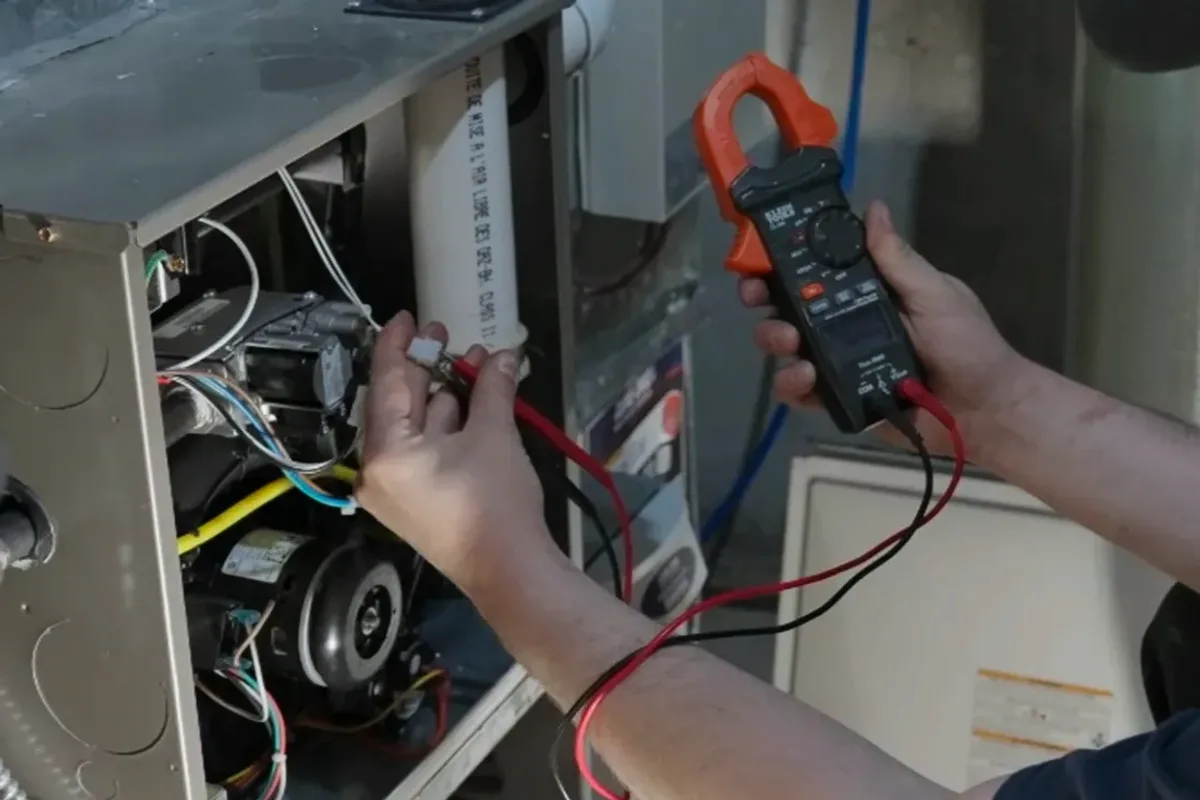
Request furnace repair for a property in Glencoe. Include the equipment, the problem or planned work, and your location so the request can be reviewed.
What information helps distinguish an ignition fault from a blower or control problem?
A furnace that stops heating may have a fuel-specific ignition problem, an electrical or control fault, or a failure in the blower or venting. The repair assessment differs between an older oil furnace and a high-efficiency propane model, so the equipment type and model matter. Note when the fault occurs, any displayed code, unusual sound, and whether airflow changed. Those details help distinguish a repairable component issue from damage or a safety concern that could change the recommendation.
Diagnosis should begin with the furnace make, model, fuel, and error indication, then compare the call for heat with ignition, burner operation, and blower response. A qualified assessment also considers venting and safety-control findings. These observations separate a failed component from a broader operating or safety issue; they also help establish whether repair is appropriate or replacement needs consideration.
Propane furnace ignition and control faults
Oil furnace burner and ignition distinctions
Blower, venting, and heat-exchanger assessment
Assessment and Scope
Questions for the Proposed Work
01
Compare propane and oil ignition faults
A propane furnace may fail to light because of an igniter, flame-sensing, fuel-supply, or control issue. An oil furnace has different burner and ignition components, so its diagnosis follows the model’s sequence and service records. A reported lockout or recurring fault is useful evidence, but repeated resets are not a safe diagnostic method. Fuel type and the component that fails during the start sequence guide the repair scope.
02
Separate airflow, electrical, and venting problems
If the burner starts but warm air does not reach the rooms, the blower, its controls, or an airflow restriction may need assessment. If the unit shuts down shortly after firing, the cause could instead involve a safety control or venting condition. The timing of the shutdown and service findings matter because replacing an ignition part will not resolve a separate airflow or vent fault. Leave internal electrical and combustion checks to a qualified professional.
03
Use condition and repair history to decide
A failed replaceable component may support repair when the furnace cabinet, heat exchanger, venting, and other major parts remain serviceable. Evidence of a cracked or otherwise compromised heat exchanger changes the decision because safe continued operation cannot be assumed. Compare that finding with the furnace’s age, prior failures, parts availability, and the scope of other needed work. The assessment should explain whether a specific repair or replacement is the more suitable next step.
Compare the next step
Ask for the recurring failure to be connected to the operating sequence and prior repair record. Request the findings that support another repair and what will be tested afterward. Keep the original symptoms visible in the request so a temporary return of heat is not mistaken for a documented resolution.
Leave burner, fuel, venting, electrical, and internal equipment work to a qualified contractor. Do not bypass a safety switch or repeatedly reset a furnace.